“To arrive at a solution even in the political problem, the road of aesthetics must be pursued, because it is through beauty that we arrive at freedom.”
– Friedrich von Schiller, Letters on the Aesthetic Education of Man
Almost three decades ago, Oldendorf moved to Ivry-sur-Seine, in the South of Paris, and established himself for a year in a complex designed in the early 1970s by architects Gailhoustet and Renaudie, and considered at the time as a flagship for the renewal of architecture in France. In Ivry, the artist developed a film project for which he invited 14 couples from the neighborhood to reenact a sequence from Fassbinder’s participation in the 1978 collective film Germany in Autumn. In the sequence, we see Fassbinder and Armin Meier, his partner at the time, in the apartment where they lived. The couple enters into a dispute over the terrorist crisis affecting the country, and the official state position regarding the situation. The dispute eventually evolves into a domestic and timeless political metaphor of the social and ethical responsibility resonating all through the public fabric. Le Centre d’Ivry (1994) is a landmark in Oldendorf’s artistic endeavour: bringing together the artist’s obsession with architecture and his passion for cinema, the film installation not only investigates the way how history and politics are felt in an intimate manner, but also unravels the nuanced legacy of the modern project. Le Centre d’Ivry echoes in many ways with the work that the artist is currently developing, and which unfolds in the cities of Besançon, Athens and Kassel. Taking as his point of departure research on the boat trip from Marseille to Athens, which participants of the 4th International Congress of Modern Architecture (CIAM 4) undertook in 1933, and which was filmed by Moholy-Nagy, the artist sets sail for uncharted destinations. Together with students, artists, researchers, and amateur actors, he starts a journey across the Mediterranean sea, and casts off for a collective "dérive" that ultimately unravels a certain shipwreck. The promises of progress and modern life become the horizon on which certain endeavors, even when paved with good intentions, end up unexpectedly stranded. With this first public event in La Cocina’s cycle 2, “Tales of Incompleteness,” we wish to discuss the way how strategies of the unresolved, unfinished, ongoing, and the fictional, can have a productive collision with “continuity,” a term often used to describe Oldendorf’s work. Continuity is here to be understood as a movement that connects and articulates past and future, creating a flux affects as well the space and living experience: since we always come from a place, and we are always on the way to another place.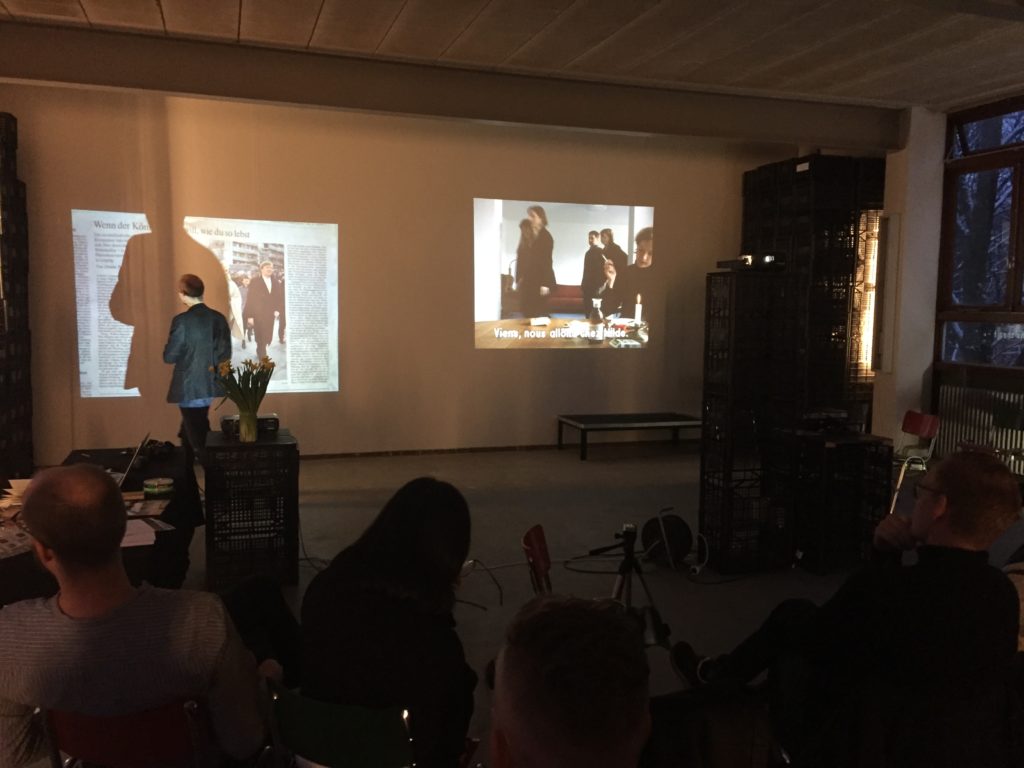
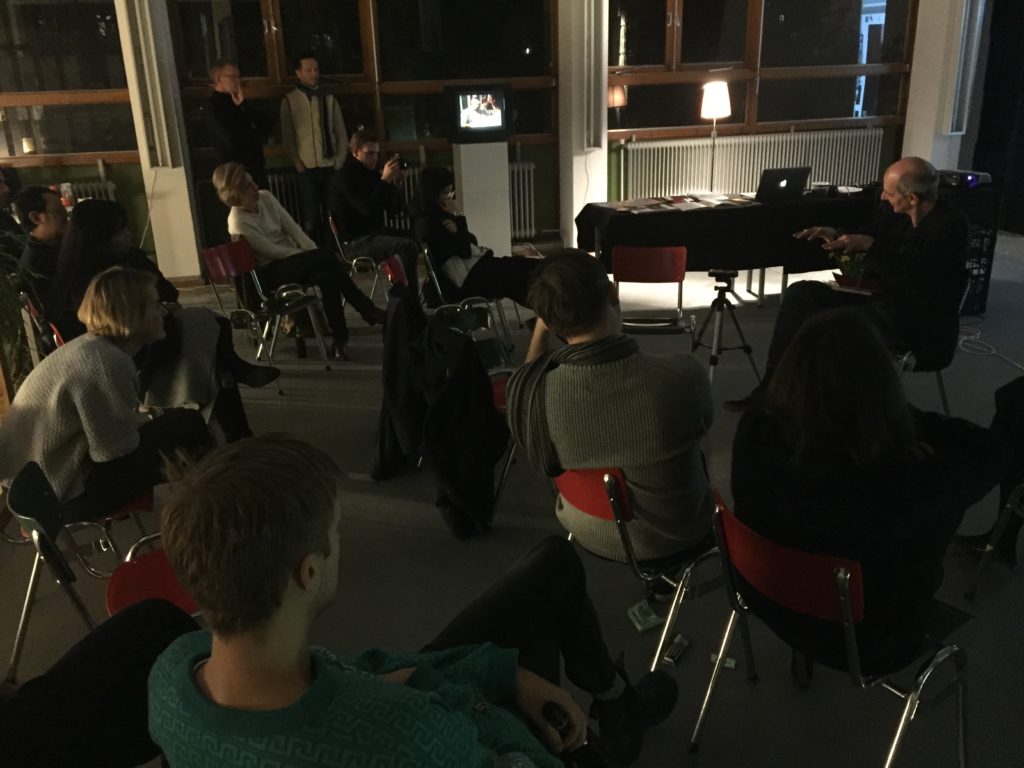
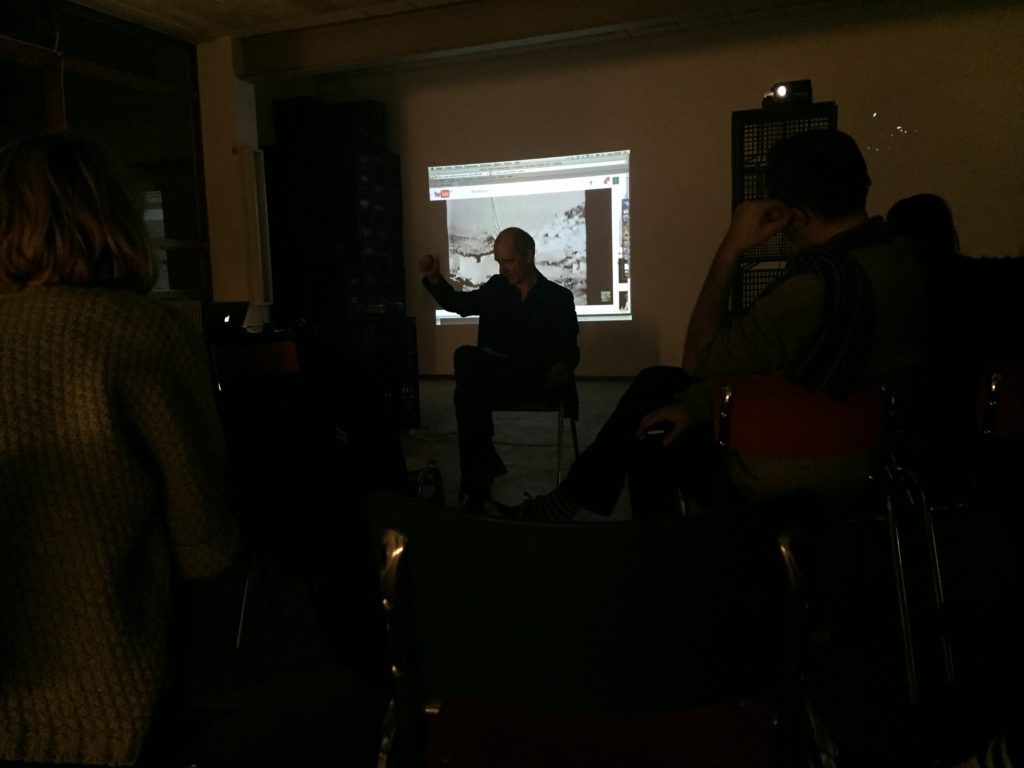 Photo: Winston Nanlohy
 Photo: Winston Nanlohy
 Photo: Winston Nanlohy
 Photo: Winston Nanlohy
 Photo: Alejandro Ramirez
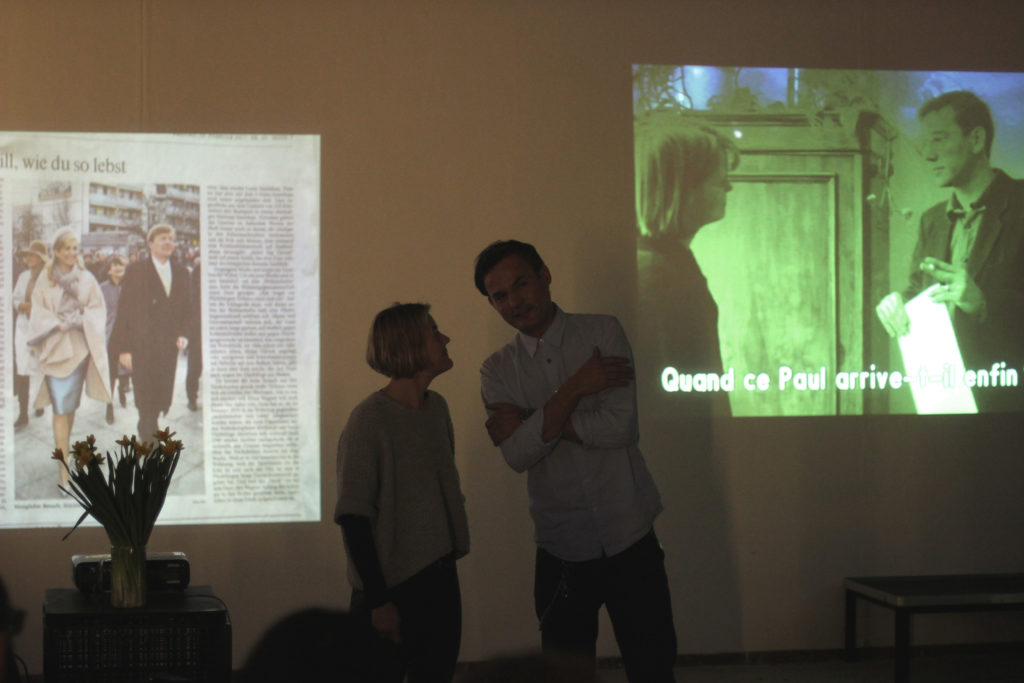 Photo: Winston Nanlohy
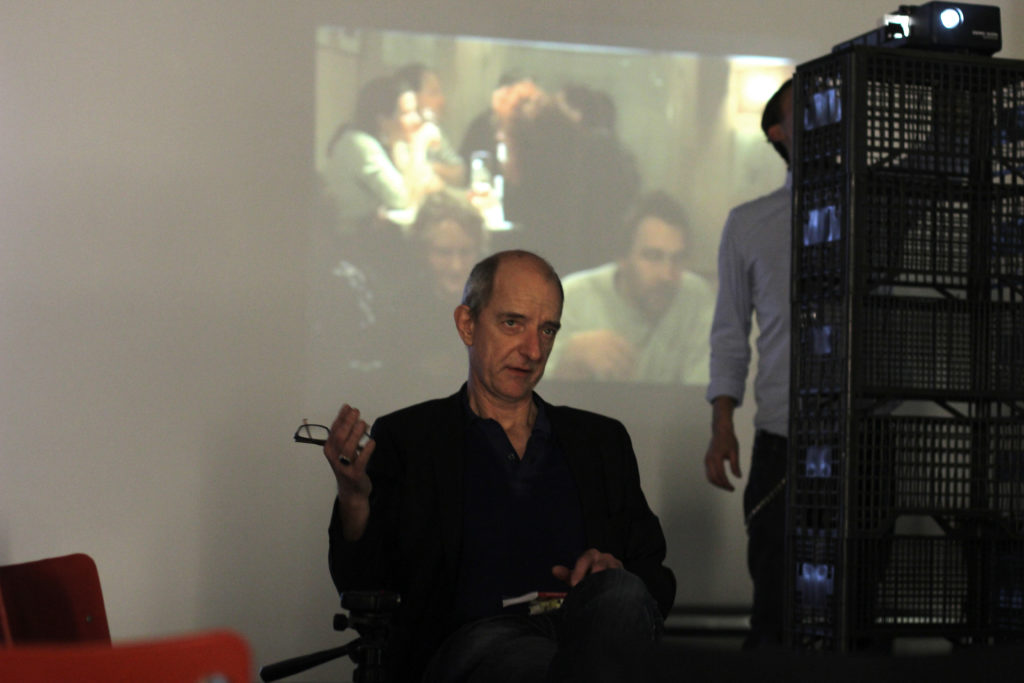 Photo: Winston Nanlohy
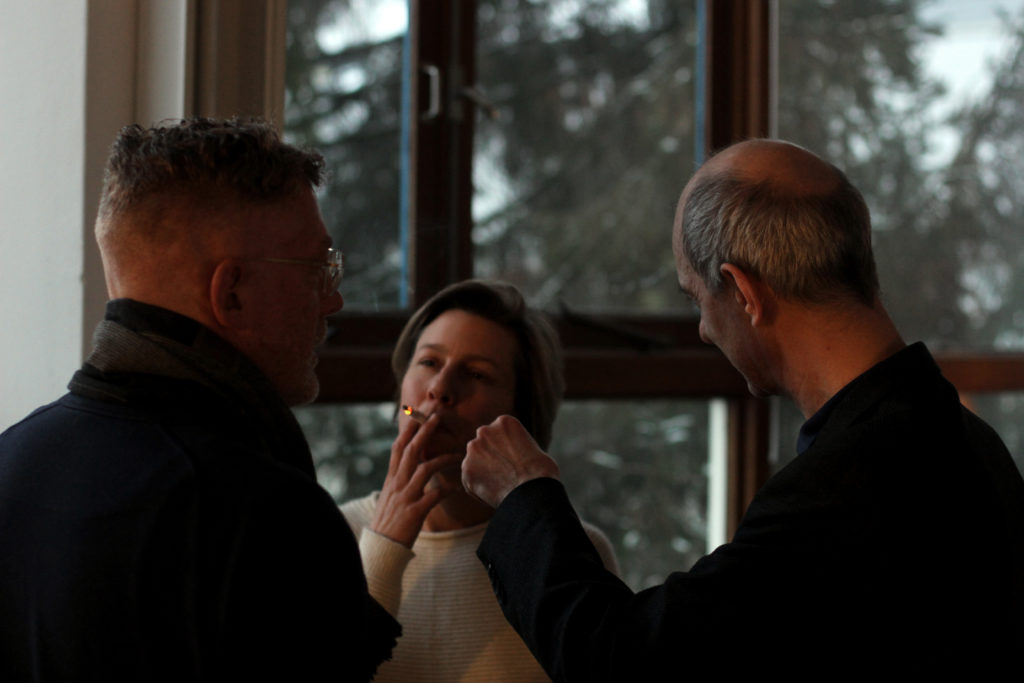 Photo: Winston Nanlohy
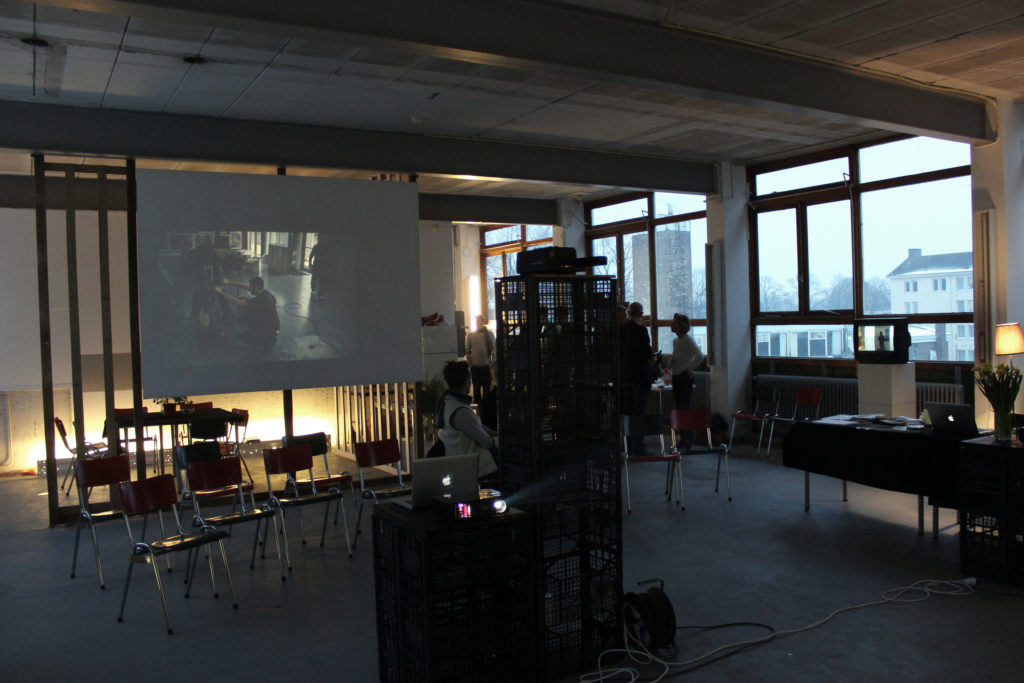 Photo: Winston Nanlohy
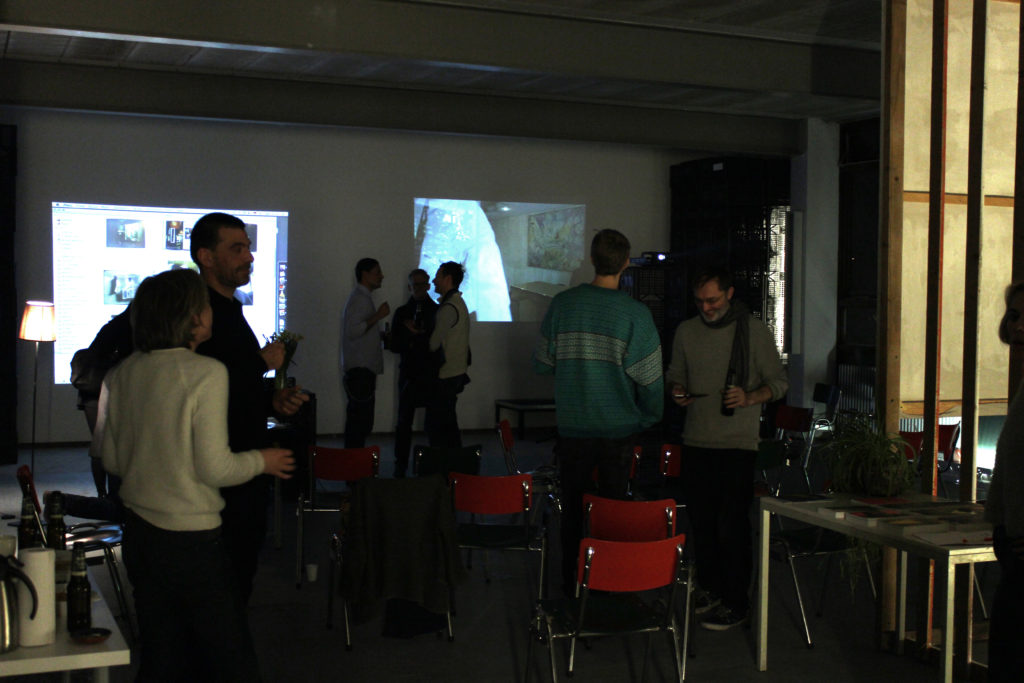 Photo: Winston Nanlohy
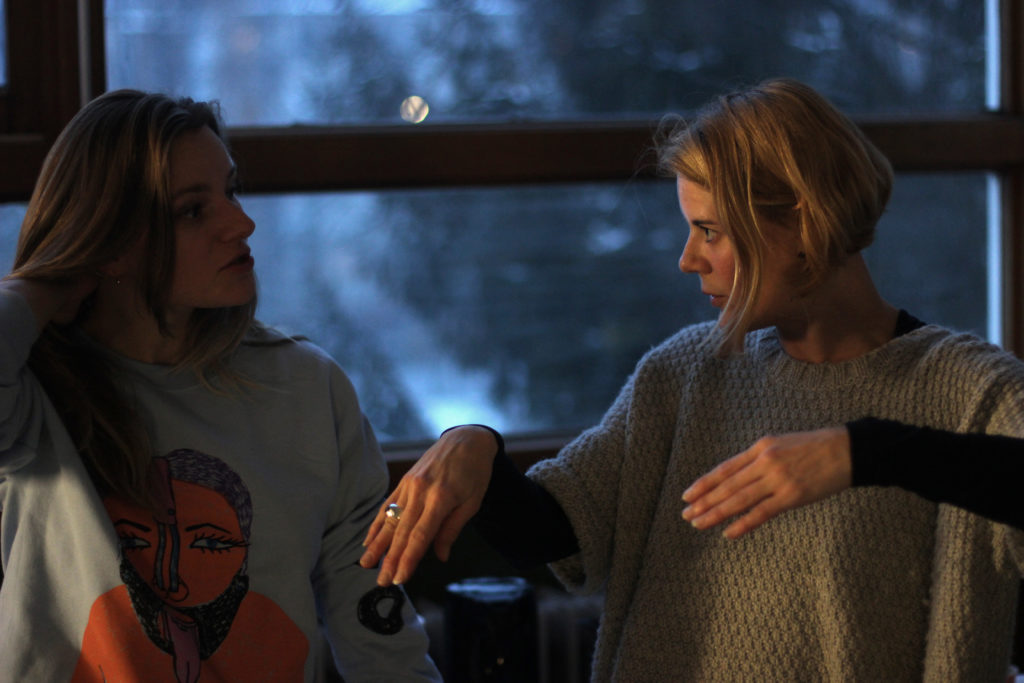 Photo: Winston Nanlohy